Packing Box Activity Room
1、 Product Definition
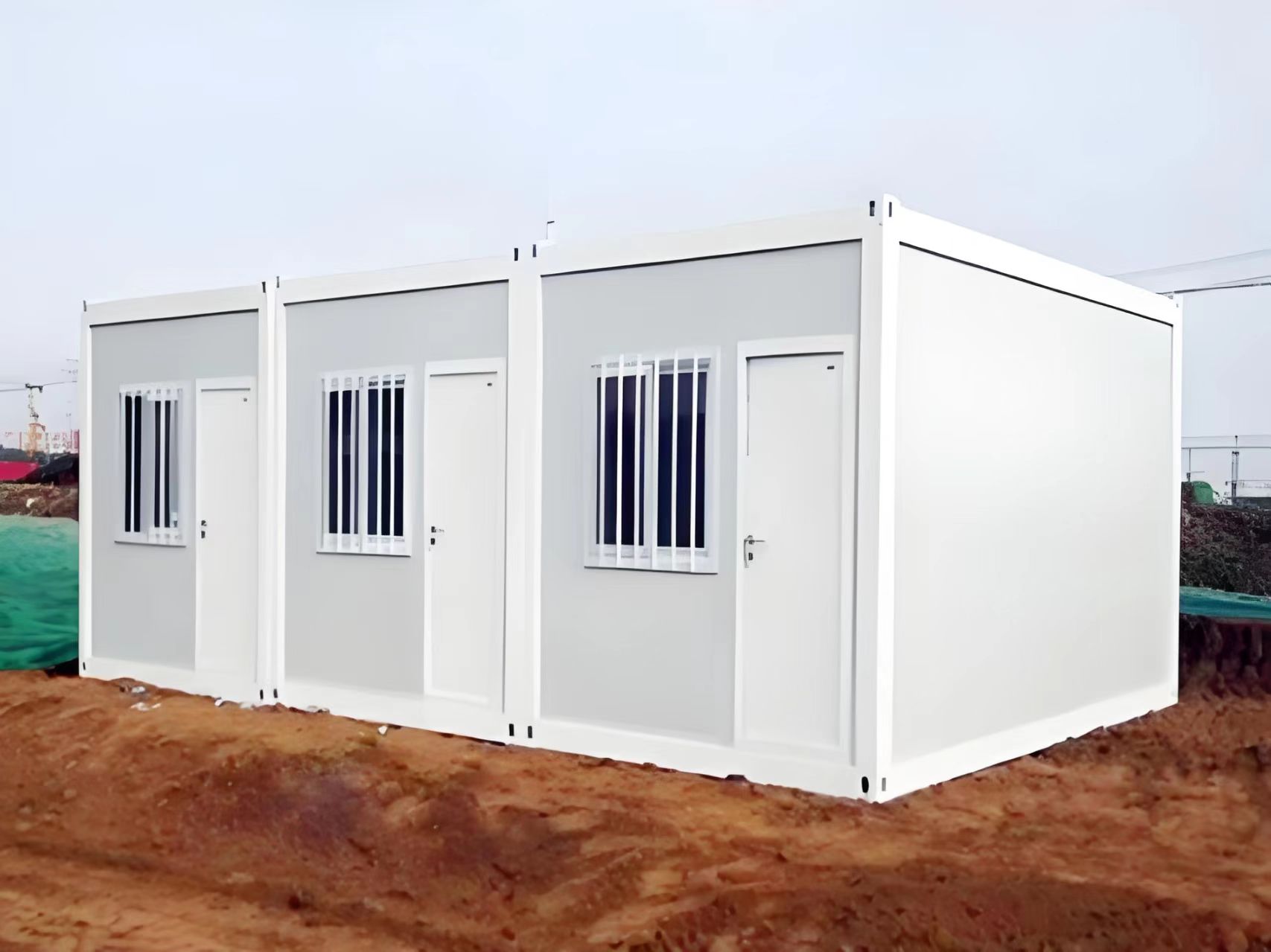
Integrated house packaging box is a new type of temporary or semi permanent building product that uses lightweight steel structure as the frame, factory prefabricated modular production, standardized packaging and transportation, and rapid on-site assembly. The core design concept is to transport buildings like packaged express delivery, breaking down the house into multiple independent "packaging box units". Each unit completes the full process prefabrication of walls, floors, roofs, water and electricity pipelines, and interior decoration in the factory. After being transported to the site, it can be put into use with simple splicing, completely changing the traditional mode of "on-site pouring and decentralized construction" in architecture.
2、 Core Features
Highly standardized
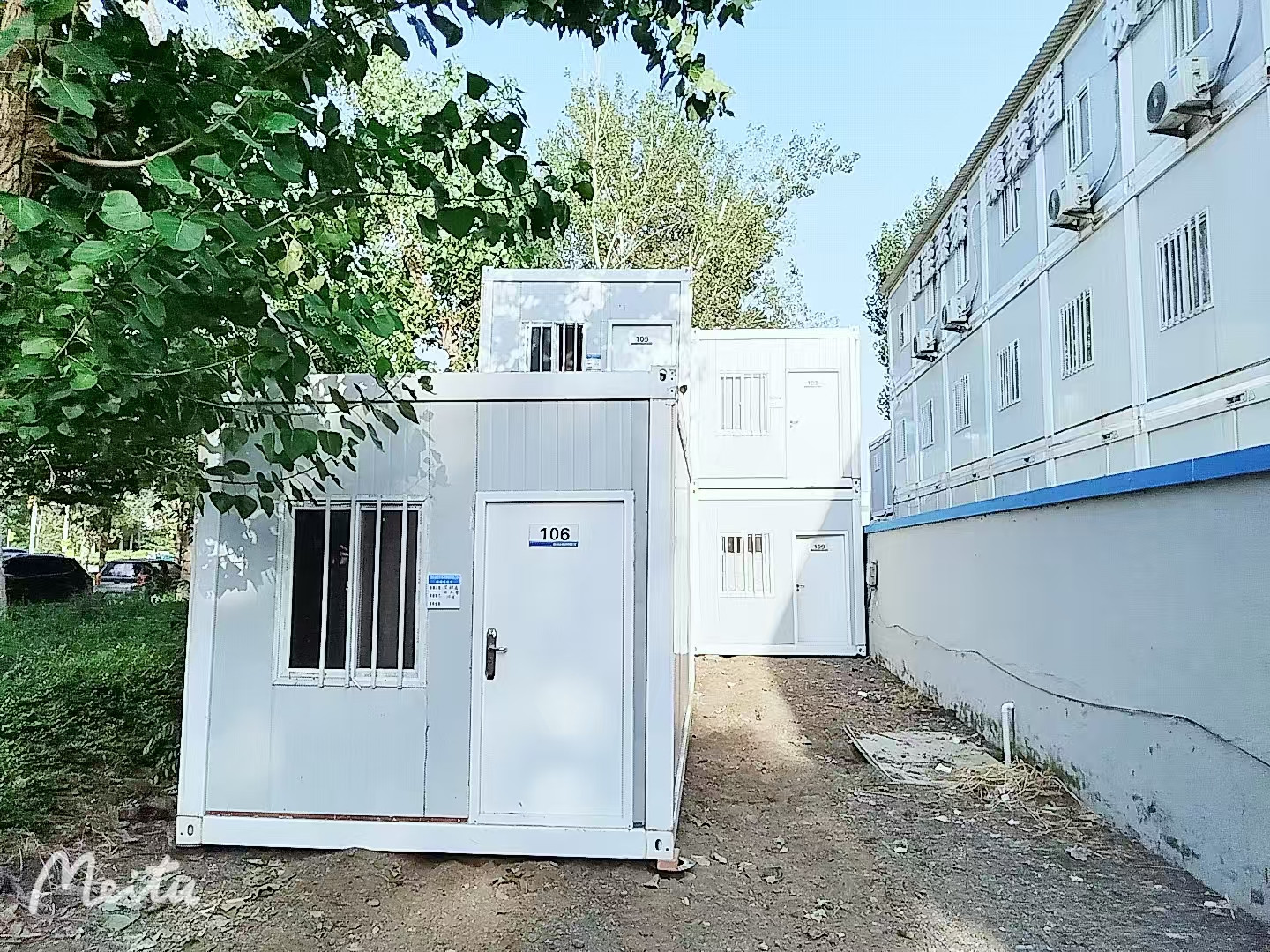
All packing box units follow a unified size standard (common specifications are 6m/12m in length, 3m in width, and 2.8m in height), and can be flexibly combined into single or multi story buildings through standardized connectors to meet different space requirements (such as offices, dormitories, exhibition halls, etc.), with strong compatibility and minimal assembly errors.
Rapid assembly efficiency
Single box installation only requires 2-3 people to cooperate, and it takes 2-4 hours to complete the landing fixation of one unit; If a 100 square meter dormitory or office space is built, the fastest time from unloading to overall delivery can be completed in 1-2 days, which is more than 80% shorter than traditional brick and concrete buildings, especially suitable for emergency projects or tight schedule scenarios.
Super structural stability
The frame is made of Q235/Q355 high-strength steel, which has undergone anti-corrosion and rust removal treatment (galvanizing or spray coating process). The wind resistance level can reach level 10, and the seismic resistance level can reach 7 degrees. It can adapt to various complex geological and climatic environments such as mountains, plateaus, and coastal areas; The wall is filled with insulation materials such as rock wool and glass wool, which have low thermal conductivity and provide warmth in winter and insulation in summer. The indoor temperature stability is better than that of traditional temporary buildings.
Full cycle recyclability
The product adopts a "detachable, transferable, and reusable" design. If the site needs to be changed after a single installation, it can be disassembled, packaged, and transported to a new location for secondary assembly. The core component loss rate is less than 5%; The service life can reach 15-20 years, and materials such as steel and plates can be recycled and reused after scrapping. The amount of construction waste emissions is only 10% of traditional buildings, which is in line with the concept of green building.
3、 Applicable scenarios
In the field of emergency support, temporary shelters, medical isolation areas, and command centers can be quickly established in the event of disasters such as earthquakes, floods, and epidemics to meet the demand for "ready to use".
In the field of engineering construction, it serves as a worker dormitory, project department office, and material warehouse for construction projects, meeting the temporary housing needs of construction sites. After the project is completed, it can be relocated to a new construction site for reuse.
In the field of commercial services, it is used for scenic homestays, camping accommodation, temporary shops, exhibition halls, etc. The design can be customized, the installation is flexible, and it can quickly respond to short-term commercial operation needs.
In the field of public facilities, temporary schools and rural medical stations can be built in remote areas, or used as temporary public toilets and garbage disposal stations in urban construction to make up for the shortage of infrastructure.
4、 Technological and environmental advantages
Factory production: All components are processed in a standardized manner in the factory, avoiding the impact of weather and environment on on-site construction, making product quality more controllable, and reducing on-site noise and dust pollution.
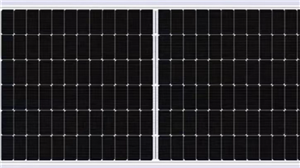
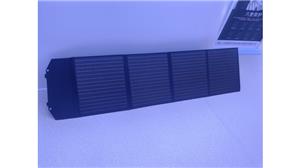
Low carbon and environmentally friendly: energy-saving materials are used in the production process to reduce the use of traditional building materials such as cement and sand; During use, it can be paired with solar photovoltaic panels and rainwater harvesting systems to achieve green energy utilization; The high recycling rate of scrapped materials meets the requirements of the development of a "circular economy".
Flexible Expansion: Supports single-layer tiling, multi-layer stacking (up to 3-4 floors), and can also form irregular buildings through different unit combinations; If expansion is needed in the later stage, only new units need to be added and spliced together, without the need for large-scale renovation of the original structure.