modular houses
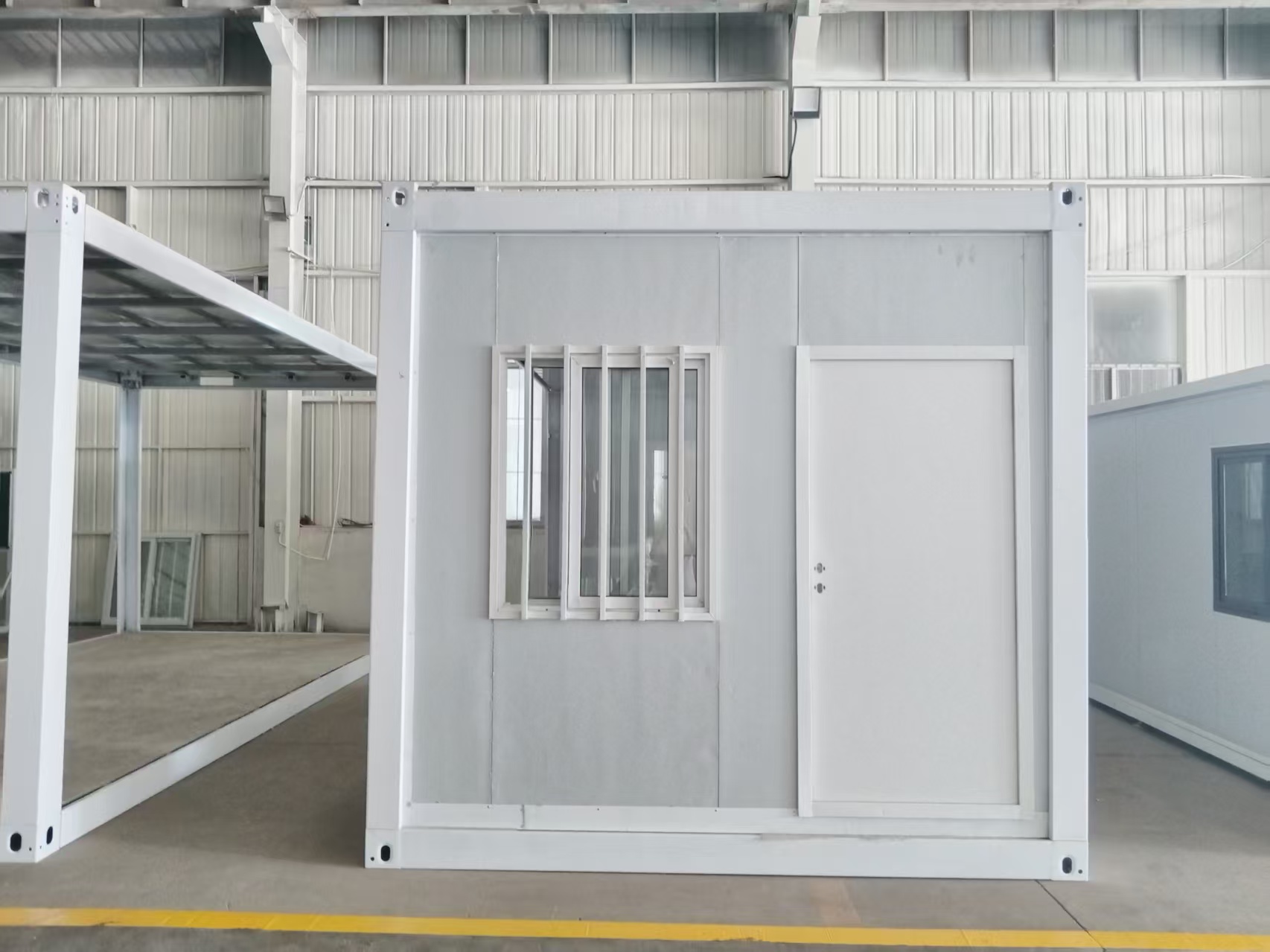
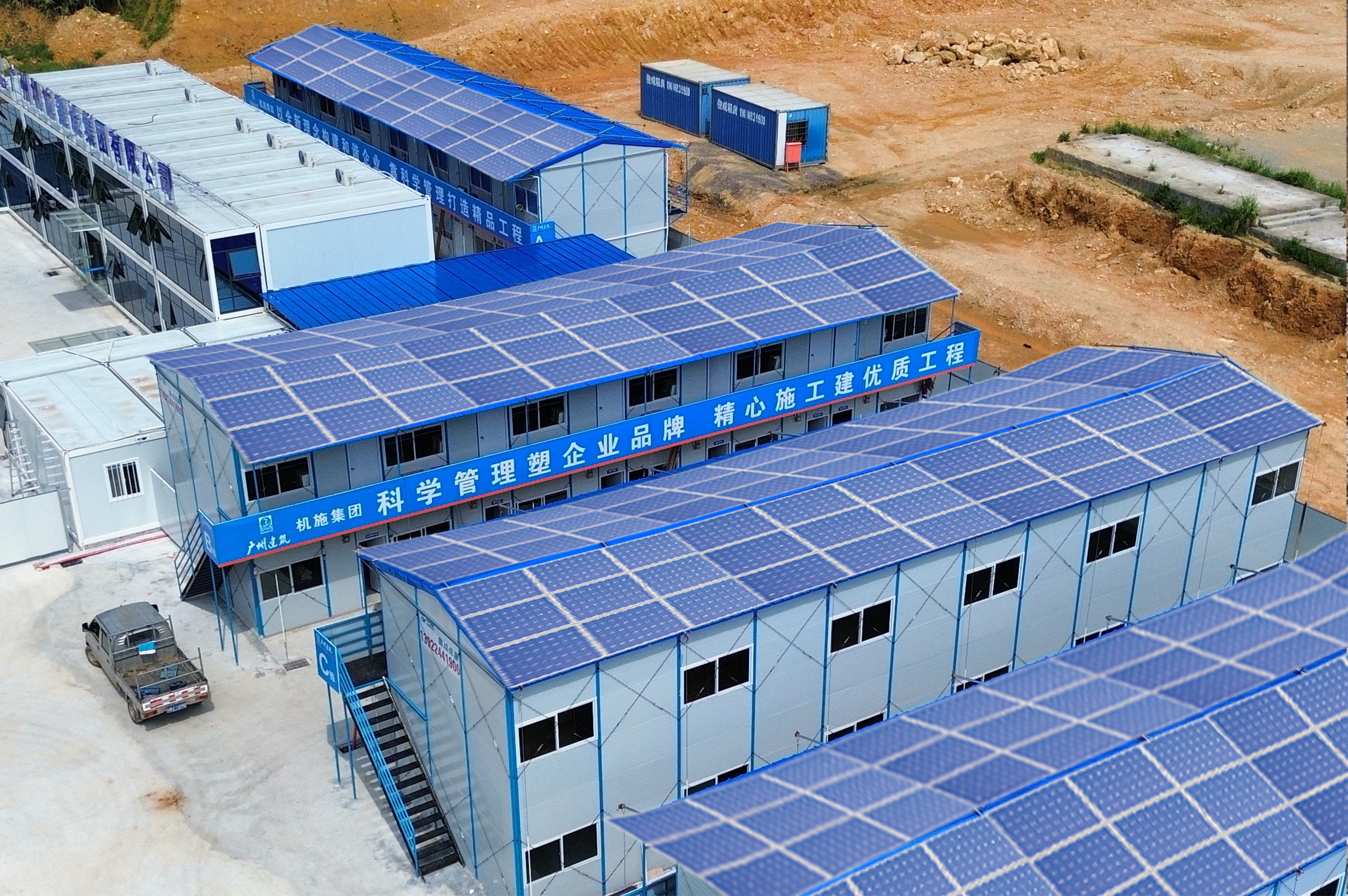
Key Features: Efficiency and Flexibility in Schedule: Factory prefabrication and on-site foundation construction can be carried out simultaneously, reducing the construction period by 30%-70% compared to traditional buildings. Typically, delivery can be completed within 3-6 months. Additionally, the factory environment is not affected by weather, making the construction progress highly predictable and effectively mitigating the risk of schedule delays. For instance, the KaiLi Hotel at the Xiong'an Citizen Service Center adopted modular technology, achieving installation and delivery in just 100 days.
Green, low-carbon, environmentally friendly, and energy-saving: Standardized production in factories can reduce material waste by 10%-20%, construction waste on-site by over 90%, and carbon emissions by 60%. Moreover, the modules can be dismantled, reassembled, and recycled as a whole, with a recycling rate of 70%, fully aligning with the concept of sustainable development. Some high-end modular buildings can also incorporate biomimicry design, enhancing energy efficiency by 90% compared to traditional buildings.
Reliable quality and excellent performance: Relying on computer-aided precision cutting and automated assembly technology, the module structure boasts high precision and meets strength standards, conforming to international standards such as IBC and ISO. It exhibits outstanding seismic resistance, fire resistance, and sound insulation performance. For instance, the lotus root-type PCA construction method developed in Japan for its frequent earthquakes can enhance the integrity of module nodes and improve building stability.
Green, low-carbon, environmentally friendly, and energy-saving: Standardized production in factories can reduce material waste by 10%-20%, construction waste on-site by over 90%, and carbon emissions by 60%. Moreover, the modules can be dismantled, reassembled, and recycled as a whole, with a recycling rate of 70%, fully aligning with the concept of sustainable development. Some high-end modular buildings can also incorporate biomimicry design, enhancing energy efficiency by 90% compared to traditional buildings.
Reliable quality and excellent performance: Relying on computer-aided precision cutting and automated assembly technology, the module structure boasts high precision and meets strength standards, conforming to international standards such as IBC and ISO. It exhibits outstanding seismic resistance, fire resistance, and sound insulation performance. For instance, the lotus root-type PCA construction method developed in Japan for its frequent earthquakes can enhance the integrity of module nodes and improve building stability.
Flexible customization and adaptability to diversity: Although modules are subject to transportation constraints (width is usually ≤4 meters), they can be combined into various shapes through parallel arrangement, splicing, and stacking. The internal layout and material selection can be customized according to needs, which can not only meet standardized batch construction but also fulfill personalized design requirements, adapting to various buildings ranging from low-rise to 30-storey structures.