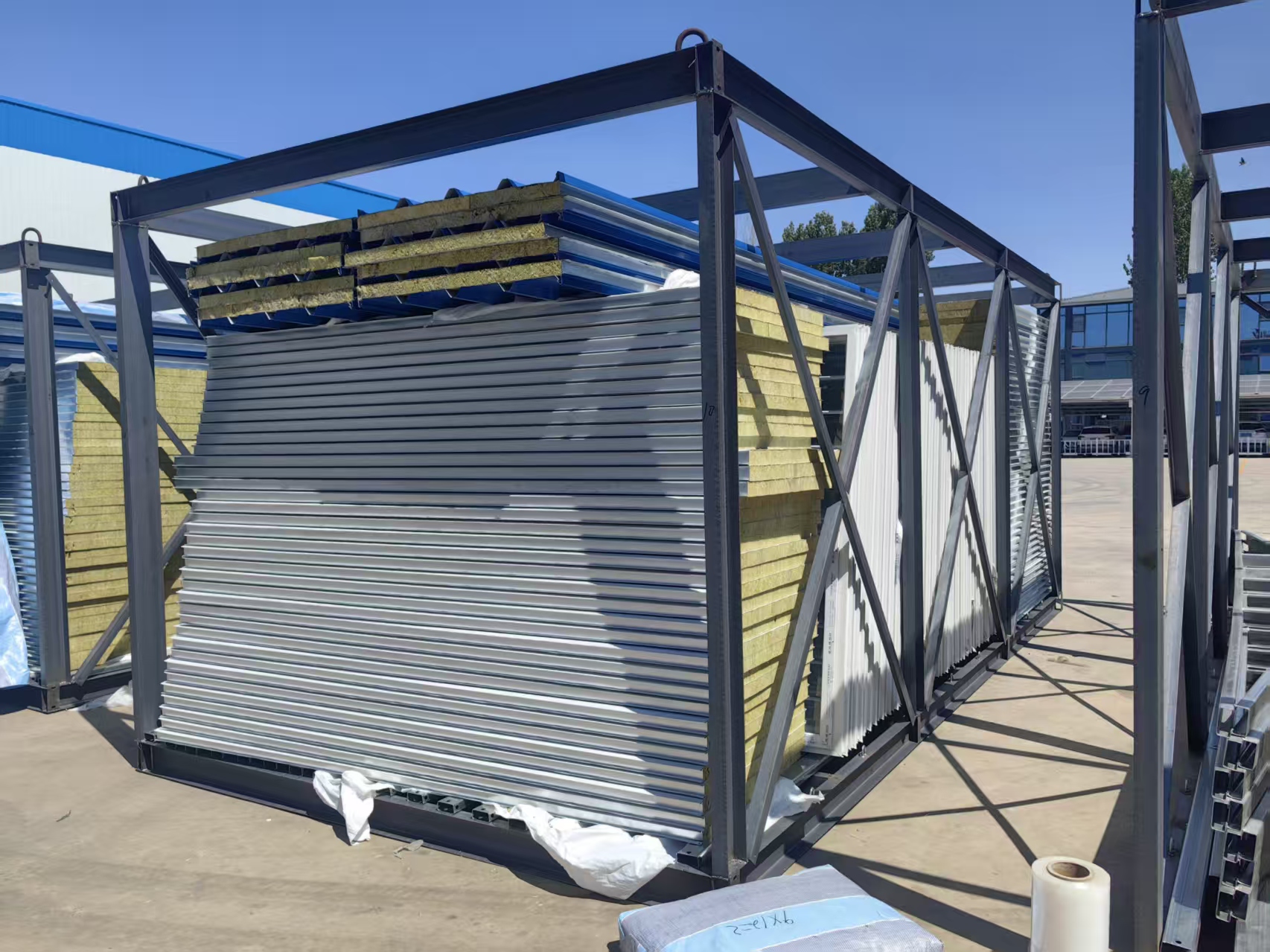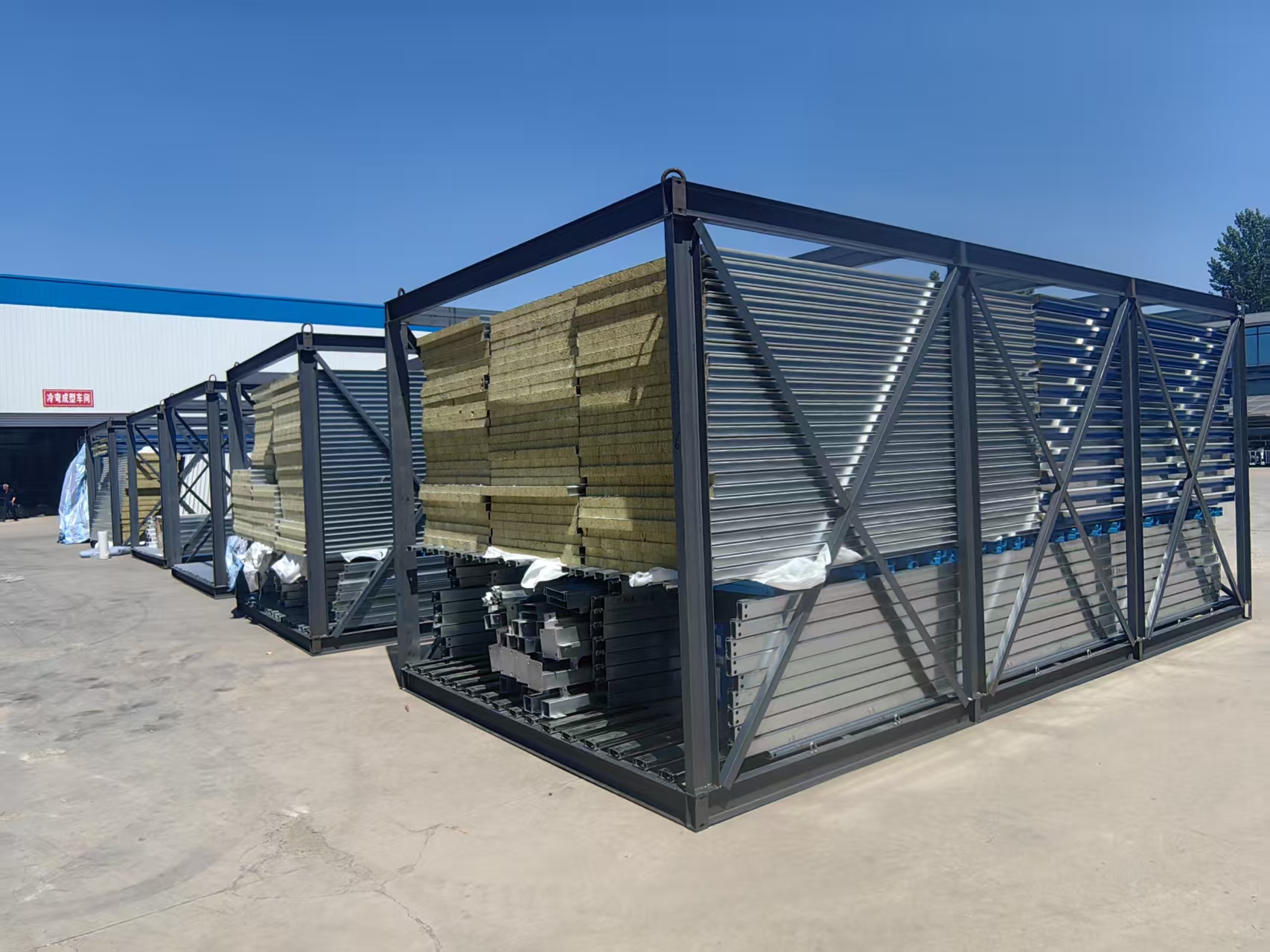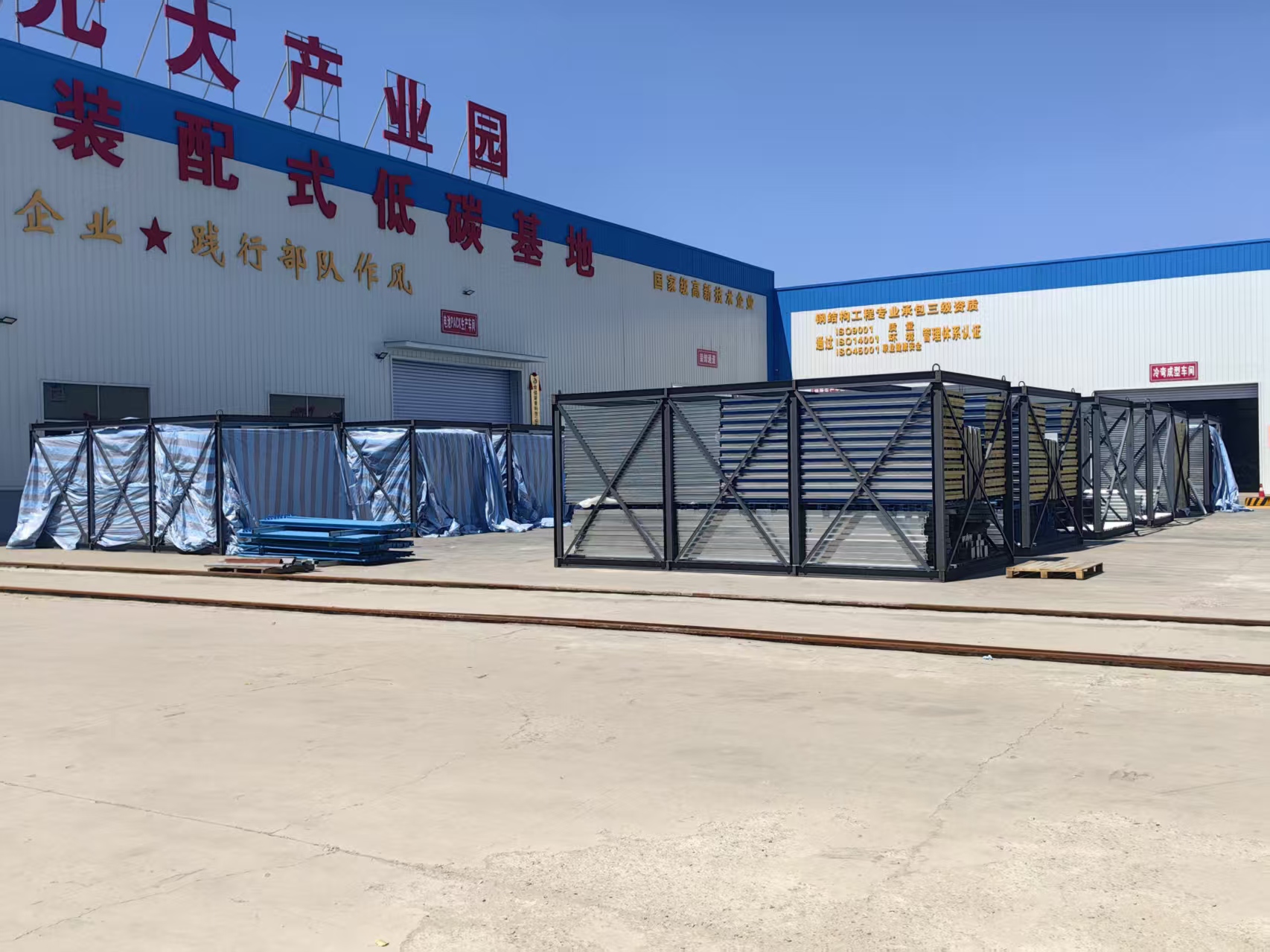
In-plant frame packaging of temporary integrated housing units, shipped in bulk
1. Core process of factory framework packaging
Modular disassembly and reinforcement
Based on the size of the cargo space of transport ships and the structural characteristics of integrated housing, the housing is divided into three major categories: the frame main module, the enclosure panel module, and the photovoltaic and energy storage equipment module.
The main frame (steel load-bearing skeleton) adopts specialized reinforcement clamps to fix key nodes to prevent deformation during transportation; protective caps are added to reserved bolt holes and pipeline interfaces to avoid sediment blockage.
The enclosure boards (wall panels, roof panels, floor panels) are stacked according to their specifications, with EVA cushioning pads placed between them. The outer layer is wrapped with waterproof woven film to prevent moisture and scratches.
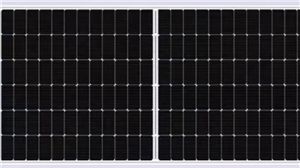
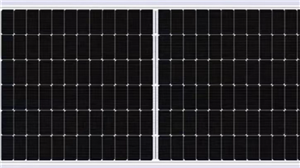
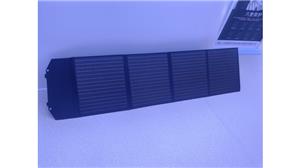
The photovoltaic and energy storage equipment (photovoltaic panels, energy storage batteries, inverters) are packed separately, with the battery modules being treated to prevent short circuits and toppling over, and the photovoltaic panels being secured with hard foam corner protectors and wooden frames.
The standardized framework is packaged using detachable steel pallets/solid wood fumigation pallets as the load-bearing base (for export, it must comply with IPPC fumigation standards). The disassembled modules are precisely placed onto the pallets and secured with steel strapping, buckle locking, and shrink wrap wrapping for triple fixation, ensuring that the modules and pallets form a stable whole.
After packaging, clearly label the product model, module number, weight and dimensions, lifting point location, and moisture-proof/fragile warnings to facilitate port loading and unloading as well as on-site assembly.
Pre-inspection before delivery
Conduct inspections on the packaged finished products to ensure structural stability, waterproof sealing, and label integrity. Simultaneously, issue a packaging acceptance form, cargo manifest, and lifting operation instructions to ensure compliance with maritime bulk cargo transportation standards.
II. Key operational steps for loading bulk cargo onto ships
Short-distance transfer from factory to port
The packaged integrated housing modules are transported using flatbed trailers. During transportation, the speed is strictly controlled to avoid sudden braking and swerving. A safe distance is reserved between modules to prevent collisions. Special personnel are assigned to escort the entire journey to ensure the goods arrive at the port bulk yard in good condition.
Port bulk cargo handling operations
Selection of lifting equipment: Based on the weight of the module (with a typical single weight of 2-8 tons for conventional frame modules), port gantry cranes, crawler cranes, or truck cranes are selected. Flexible lifting belts are used as lifting tools to avoid damage to the frame structure.
Standardize lifting operations: Strictly align with the preset lifting points of the packaged items, lift steadily, and move slowly, avoiding oblique lifting and overload lifting; in the ship's hold, follow the principle of "heavy items below and light items above, and classified stacking"; modules should be fixed with wooden wedges to prevent shaking and displacement during ship navigation.
Document coordination: Submit documents such as packing lists, weight certificates, and fumigation certificates simultaneously, complete customs declaration and port handling procedures, and ensure efficient and smooth boarding procedures.
Supplementary protective measures for maritime transportation
For ocean transportation, in addition to packaging, special rain covers and rust-proof coatings (steel frame) are added for sea transportation. Moisture-proof desiccants are added to the solar and storage equipment modules to minimize the impact of high humidity and high salt spray environments at sea on the goods.
III. Core Advantages of the Model
Cost optimization: Bulk transportation eliminates the need for customized specialized containers, significantly reducing the costs associated with leasing and modifying containers for oversized cargo transportation. This is particularly suitable for cost control of bulk orders.
Flexible adaptation: The modules, after being split and packaged, can flexibly adapt to different ship cabins, without being limited by container size, easily meeting the transportation needs of small-tonnage ships and irregular cabins.
Modular disassembly and reinforcement
Based on the size of the cargo space of transport ships and the structural characteristics of integrated housing, the housing is divided into three major categories: the frame main module, the enclosure panel module, and the photovoltaic and energy storage equipment module.
The main frame (steel load-bearing skeleton) adopts specialized reinforcement clamps to fix key nodes to prevent deformation during transportation; protective caps are added to reserved bolt holes and pipeline interfaces to avoid sediment blockage.
The enclosure boards (wall panels, roof panels, floor panels) are stacked according to their specifications, with EVA cushioning pads placed between them. The outer layer is wrapped with waterproof woven film to prevent moisture and scratches.
The photovoltaic and energy storage equipment (photovoltaic panels, energy storage batteries, inverters) are packed separately, with the battery modules being treated to prevent short circuits and toppling over, and the photovoltaic panels being secured with hard foam corner protectors and wooden frames.
The standardized framework is packaged using detachable steel pallets/solid wood fumigation pallets as the load-bearing base (for export, it must comply with IPPC fumigation standards). The disassembled modules are precisely placed onto the pallets and secured with steel strapping, buckle locking, and shrink wrap wrapping for triple fixation, ensuring that the modules and pallets form a stable whole.
After packaging, clearly label the product model, module number, weight and dimensions, lifting point location, and moisture-proof/fragile warnings to facilitate port loading and unloading as well as on-site assembly.
Pre-inspection before delivery
Conduct inspections on the packaged finished products to ensure structural stability, waterproof sealing, and label integrity. Simultaneously, issue a packaging acceptance form, cargo manifest, and lifting operation instructions to ensure compliance with maritime bulk cargo transportation standards.
II. Key operational steps for loading bulk cargo onto ships
Short-distance transfer from factory to port
The packaged integrated housing modules are transported using flatbed trailers. During transportation, the speed is strictly controlled to avoid sudden braking and swerving. A safe distance is reserved between modules to prevent collisions. Special personnel are assigned to escort the entire journey to ensure the goods arrive at the port bulk yard in good condition.
Port bulk cargo handling operations
Selection of lifting equipment: Based on the weight of the module (with a typical single weight of 2-8 tons for conventional frame modules), port gantry cranes, crawler cranes, or truck cranes are selected. Flexible lifting belts are used as lifting tools to avoid damage to the frame structure.
Standardize lifting operations: Strictly align with the preset lifting points of the packaged items, lift steadily, and move slowly, avoiding oblique lifting and overload lifting; in the ship's hold, follow the principle of "heavy items below and light items above, and classified stacking"; modules should be fixed with wooden wedges to prevent shaking and displacement during ship navigation.
Document coordination: Submit documents such as packing lists, weight certificates, and fumigation certificates simultaneously, complete customs declaration and port handling procedures, and ensure efficient and smooth boarding procedures.
Supplementary protective measures for maritime transportation
For ocean transportation, in addition to packaging, special rain covers and rust-proof coatings (steel frame) are added for sea transportation. Moisture-proof desiccants are added to the solar and storage equipment modules to minimize the impact of high humidity and high salt spray environments at sea on the goods.
III. Core Advantages of the Model
Cost optimization: Bulk transportation eliminates the need for customized specialized containers, significantly reducing the costs associated with leasing and modifying containers for oversized cargo transportation. This is particularly suitable for cost control of bulk orders.
Flexible adaptation: The modules, after being split and packaged, can flexibly adapt to different ship cabins, without being limited by container size, easily meeting the transportation needs of small-tonnage ships and irregular cabins.
Quick assembly: The factory-preset standardized interfaces and module numbers enable "dismantling and assembly on the spot" at the destination. Coupled with bolt connection technology, it significantly shortens the on-site installation cycle, highly matching the rapid deployment characteristics of "integrated housing + photovoltaic and energy storage integration".